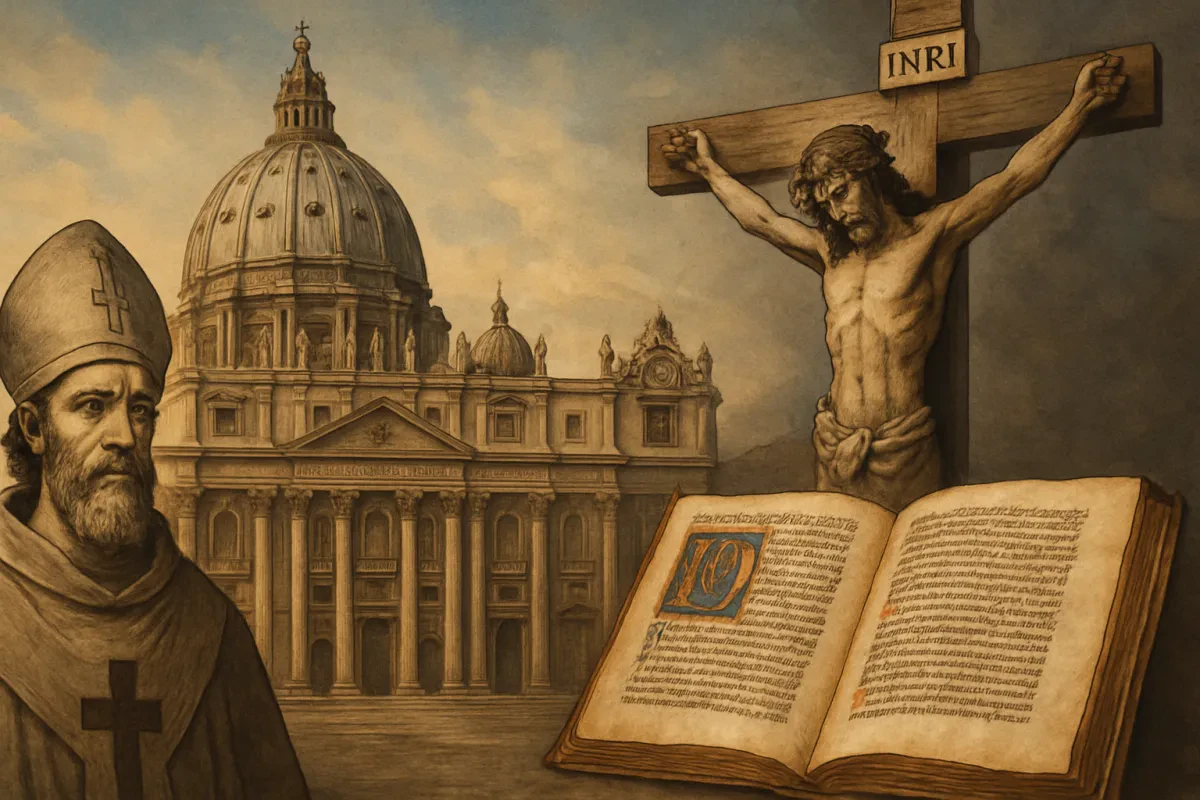
The history of the Catholic Church is rich and filled with key events that shaped its beliefs and practices. One of the most significant moments came in 313 AD with the Edict of Milan. This decree by Emperor Constantine legalized Christianity and allowed the faith to thrive openly. It shifted the church from a persecuted group to a major player in the Roman Empire, paving the way for the spread of Catholicism across Europe.
Fast forward to 1054, and we see the Great Schism. This was the split between the Western Roman Catholic Church and the Eastern Orthodox Church, and it changed the landscape of Christianity. The factors leading to this divide included cultural differences, political disputes, and theological disagreements. This event is crucial when studying Catholic Church history because it established two distinct paths for Christianity.
Another milestone happened in the 16th century during the Protestant Reformation. Figures like Martin Luther challenged the practices of the Catholic Church, particularly the sale of indulgences. This led to a backlash and a call for reform within the church itself. The Council of Trent, held between 1545 and 1563, addressed many of these issues and reaffirmed Catholic doctrines, influencing how the Catholic Church would operate for centuries.
In more recent times, the Second Vatican Council (1962-1965) made significant changes to church practices and engagement with the modern world. It emphasized the importance of scripture, liturgy, and inclusivity, allowing for a more open approach to other faiths. This council marked a turning point in Catholic Church history, making it more relatable and adaptable to contemporary society.
Important Figures in Catholic History
When diving into Catholic Church history, it's essential to recognize the influential people who shaped its path. One of the most prominent figures is St. Peter, often called the first Pope. His leadership set the foundation for the Church, and his dedication to spreading Christ's message continues to inspire today.
Another key player is St. Augustine. His writings and teachings during the early days of the Church helped define many core theological concepts. Augustine's ideas on grace and original sin still influence Catholic beliefs. His passion for understanding faith and reason resonated with countless followers throughout history.
Fast forward a bit, and you'll meet St. Francis of Assisi. Known for his love for all creatures and commitment to poverty, Francis shifted the Church's priorities toward compassion and humility. His approach encouraged many to see the beauty in creation and be stewards of the Earth.
Then there’s Pope John XXIII, who made waves in the 20th century. He called for the Second Vatican Council, a major turning point in Catholic Church history that opened doors for modernizing the Church. John XXIII’s vision for a more inclusive and engaged Church has left a lasting legacy.
Each of these figures played a vital role in shaping Catholic Church history, impacting how the faith is practiced and understood today. Their stories remind us of the rich heritage and ongoing evolution within the Church.
Daily Devotions in Proverbs: God's Wisdom Guide
Find inspiration and encouragement each day with timeless insights from Proverbs
Product information
$23.00 $10.89
Product Review Score
4.75 out of 5 stars
162 reviewsProduct links
Significant Changes Over the Centuries
The Catholic Church has seen significant changes throughout its history, shaping the way it operates and interacts with the world. In the early years, the Church faced persecution but managed to grow and spread its teachings. By the fourth century, Emperor Constantine legalized Christianity, allowing the Church to gain influence and establish itself as a central part of society.
Fast forward to the Middle Ages, and you'll find the Church playing a crucial role in daily life. It was a source of guidance, education, and community. During this time, the Catholic Church established various orders, like the Benedictines and Franciscans, that focused on education and outreach. This period was not without its challenges, though. The Great Schism in 1054 split Eastern and Western Christianity, marking a major shift in catholic church history.
The Reformation in the 16th century brought even more changes. Protestants challenged many Church practices and doctrines, leading to a significant loss of power for the Catholic Church in some areas. In response, the Church initiated the Counter-Reformation, focusing on reforming its practices and reaffirming its beliefs. This era saw the establishment of new religious orders and a deeper commitment to education and missionary work.
In the modern era, the Catholic Church has continued to evolve. Vatican II, held in the 1960s, opened up dialogue and aimed to address contemporary issues while inviting more engagement from the laity. Today, the Church faces new challenges, including modern ethics and global outreach. Yet, it remains a significant force in countless lives, continuing to adapt and respond to an ever-changing world.
52 Weeks with Jesus: Bible Study Guide
Deepen your faith and understanding with engaging reflections and practical insights for every week of the year
Product information
$21.99 $11.65
Product Review Score
4.6 out of 5 stars
135 reviewsProduct links
Impact of the Catholic Church Today
In many areas, the Church addresses pressing issues like poverty, education, and healthcare. It offers vital support to families and individuals facing hardships. With numerous charitable organizations under its banner, the Catholic Church actively works to uplift communities and provide necessary assistance, showing that it remains relevant in the modern world.
The Catholic Church also focuses on environmental stewardship and sustainable practices. Many parishes and dioceses are getting involved in efforts to combat climate change and promote care for creation. This shows that the Church isn’t just about spiritual matters; it recognizes the importance of taking care of the Earth for future generations.
In addition, the Church continues to engage in dialogues about faith and culture. Through various initiatives, it reaches out to young people, trying to connect faith with their daily lives. This ongoing conversation helps keep the teachings rooted in modern issues, demonstrating how the Catholic Church adapts while staying true to its roots.
